
Storytelling is one of humanity’s oldest tools. It evokes warmth, captures attention, and builds immediate rapport. In retail, a story can transform a routine transaction into a memorable experience. More than just a sales tactic, storytelling creates an emotional bond with customers, driving trust, brand loyalty, and ultimately, sales.
Here are five ways to leverage storytelling to elevate the retail experience:
1. Build an Emotional Connection
When a customer steps into your store, focus on them rather than immediately pitching products. Share authentic, relatable stories, like how an item made a client’s milestone unforgettable. Competitors may carry similar inventory, but your customer success stories are uniquely yours. These types of stories connect with customers on a human level and create an emotional connection. According to Harvard Business School research, 95% of purchasing decisions occur in the subconscious mind, where emotions drive action.
2. Narrate the Product’s Journey
Describe the rich product origins of a special item, such as where it’s from, how it was made, or the inspiration behind a design. Using features as a narrative sparks curiosity, deepens engagement, and keeps the customer browsing longer.
3. Showcase Customer Stories
Use social proof to tell visual stories. Dedicate a space in the store or digitally to feature photos of happy clients and their purchases alongside heartfelt testimonials. Seeing real people builds instant credibility.
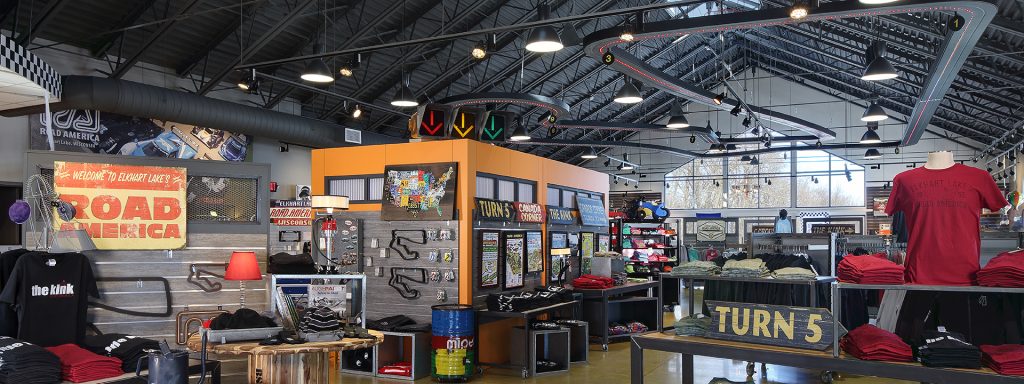
4. Curate Immersive Displays
Merchandising should tell a story at a glance. Group products by function, style, aesthetics, or themes. And don’t forget, your storefront windows are the perfect stage to tell your story and capture attention. Use accent lighting and display items in a three-layered fashion. Create three layers: put vinyl graphics on the windows, place one row of products close to the window, and a second row of larger products behind the first row.
5. Maintain Cohesive Brand Storytelling
Ensure every touchpoint reinforces your core narrative. Your logo, signage, interior color scheme, packaging, and digital presence should all speak the same visual language. A unified brand story reassures customers and reinforces your identity.
Tell your story. By integrating empathy and narrative into the sales process, brands move beyond selling products to building lasting relationships.